Par Léa Coghill | Mis à jour le 24 mars 2022
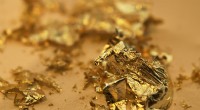
Amber, often classified as a precious stone, is actually the fossilized resin of pine trees, not a mineral. L'ambre de mer, rejeté sur le rivage avec sa surface lissée par les vagues, est apprécié pour son aspect poli et a souvent plus de valeur que l'ambre extrait, qui a généralement un extérieur croustillant. Because amber is light, it can float and be carried by the sea.
Le charme d’Amber remonte à l’Antiquité. The Greeks called it "elecktron" because rubbing it with cloth produces static electricity. The Romans, as Pliny noted, valued amber so highly that Emperor Nero would exchange a small amber figurine for a healthy slave. In the Stone Age, amber was integral to daily rituals and supernatural beliefs. Fossilized amber can be up to 135 million years old, though most specimens range from 25 to 50 million years.
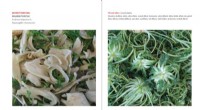
The green hue arises from prolonged exposure to marshy environments rich in decaying organic matter. Les bijoutiers modernes améliorent souvent la couleur et la clarté de l'ambre vert baltique en chauffant la surface avec de l'oxygène ou en la plaçant dans une chambre à vide avec de l'azote ou de l'argon. This treatment, common to many precious stones, clarifies the amber and accentuates its natural tones.
Green amber is most frequently sourced from the Baltic and Dominican regions. Baltic specimens typically display a mossy or olive green, while Dominican amber is known for a vivid blue‑green or turquoise shade. Dominican green amber is rarer and often showcases a naturally intense green without additional heat or chemical treatments.
Price varies widely based on clarity, color, cut, and size. La présence d'inclusions d'insectes visibles augmente considérablement la valeur, poussant parfois un seul spécimen à des dizaines de milliers de dollars, en particulier lorsqu'il provient du marché dominicain très convoité.